Let me say this upfront: If you want to truly understand A Love Letter to Grandma (《给阿嬷的情书》), go to Chaoshan during China's peak travel season.
Most travel advice starts with "avoid the crowds." I agree—if you're going to the Forbidden City, West Lake, or Lijiang Old Town. But Chaoshan is different. In Chaoshan, peak season is when the place is most itself.
Peak Season Chaoshan Is the Chaoshan from the Film
There's a scene in the film: Grandma sits in the courtyard of her old house (laocuo). The doorway fills with people—the neighbor brings freshly steamed taro paste, the lady across the lane carries over a plate of hot fried yóuguǒ, a distant nephew rides in on a motorbike and drops off a bag of sun-dried radish. This isn't scripted drama. It's what happens in Chaoshan every holiday.
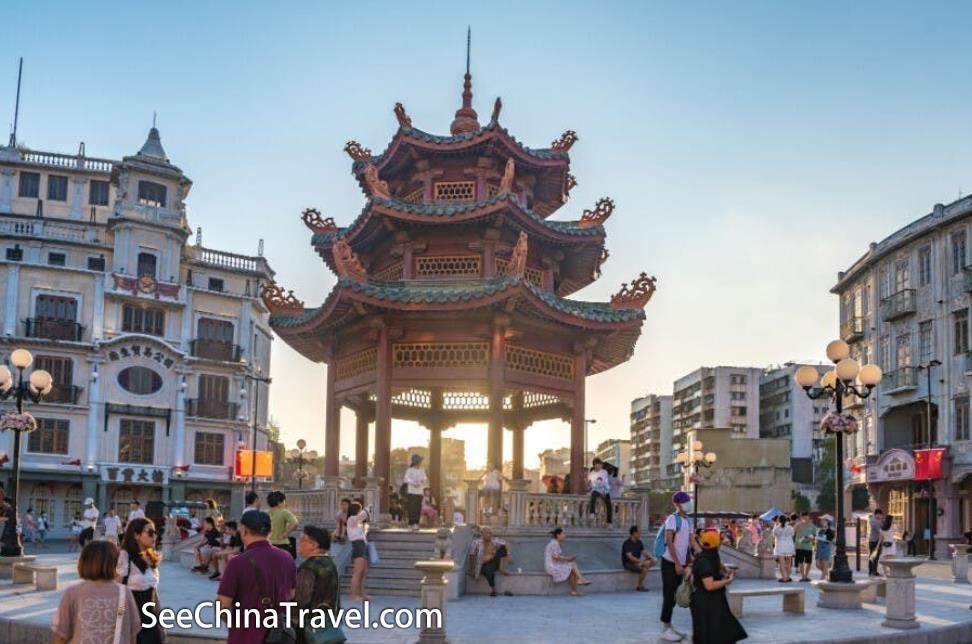
I visited Chaozhou during Golden Week (National Day, early October). Paifang Street was crowded—but the crowd wasn't tourists. It was people coming home.
At Chaoshan High-Speed Rail Station, young people dragged suitcases and shouted in Teochew, "Ama, I'm back!"
In the old city lanes, every doorway had a gongfu tea table set up. Passing relatives pulled over a plastic stool and drank.
Guangji Bridge was packed—but listen closely: more than half the conversations were in Teochew. Generations of diaspora families had returned to worship ancestors, visit relatives, and eat one proper meal together.
This is the real filming location of A Love Letter to Grandma: not a specific spot, but the sheer density of "people coming home."