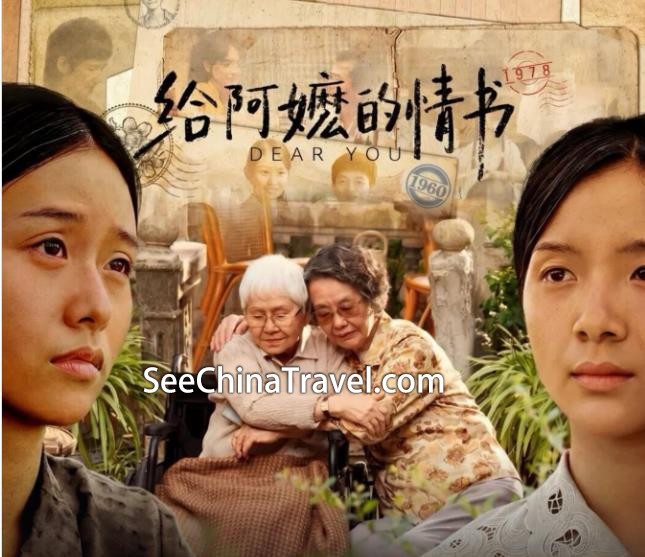
It made over $30 million at the Chinese box office. It scored 9.1 on Douban. And it sent thousands of viewers—me included—straight to the booking page for a flight to Chaozhou, Shantou, and Jieyang.
Here's how to trace the film's footsteps across the Teochew region, from the grandmother's courtyard home to the letters that crossed the South China Sea.
Stop 1: Chaozhou Ancient City — Where Grandma Waited
The film's emotional anchor is Ye Shurou (Grandma), who stays behind in a traditional laocuo (old courtyard house) while her husband goes to Thailand. The real-life inspiration? Chaozhou's old town.
Don't miss:
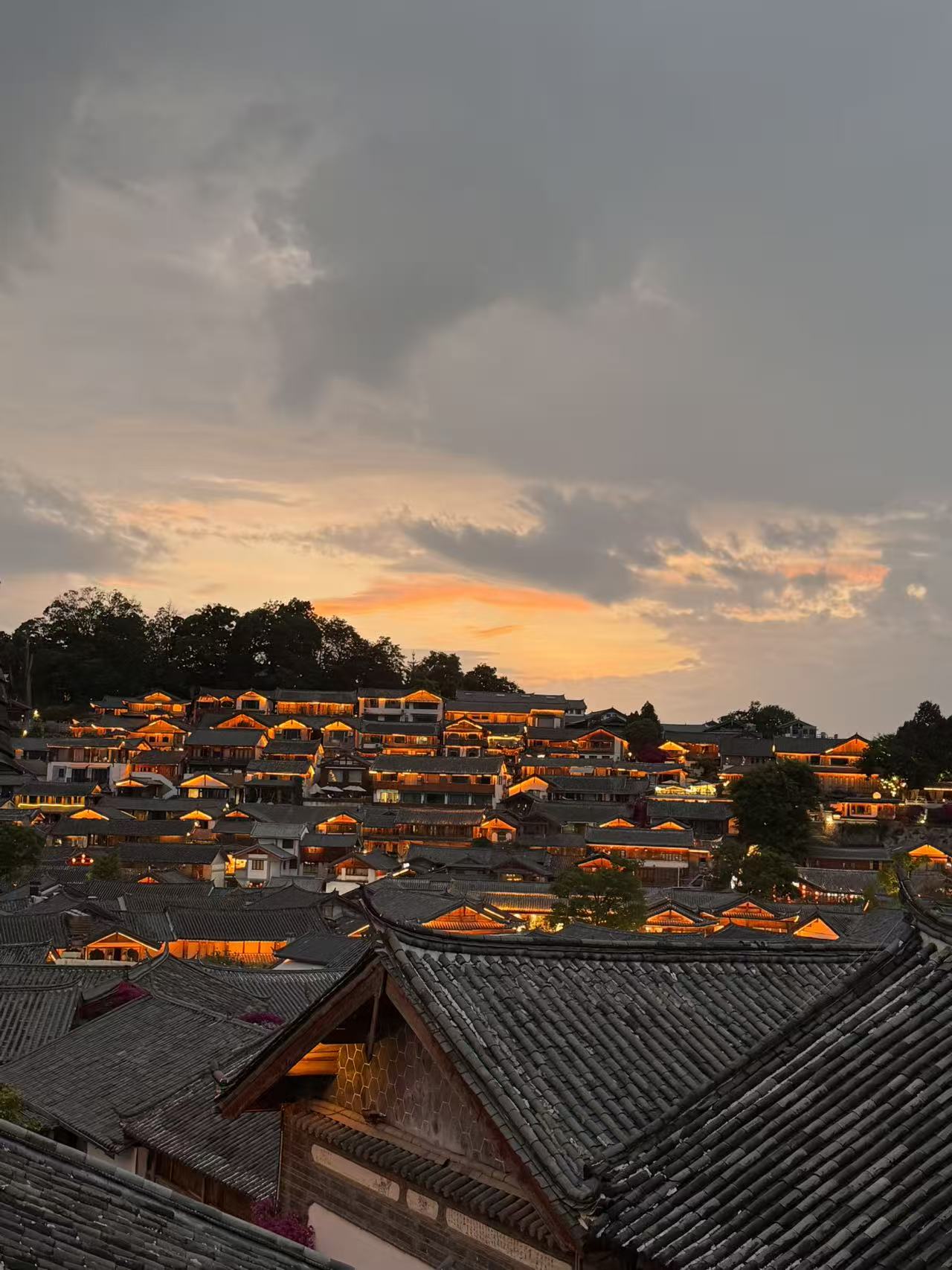
Paifang Street: 23 stone memorial arches line this pedestrian street. The bluestone paths Grandma walks in the film are right here. Go at dusk—the warm light hitting the old masonry looks exactly like the sepia-toned letters in the movie.
Guangji Bridge (Xiangzi Bridge): Known as "18 boats, 24 islets," this is the bridge the husband crosses when he leaves. It's especially magical at night with the light show reflecting on the Han River.
Han Wengong Shrine: Climb Bijia Mountain behind it for a panoramic view of the Han River—the same view the grandson gazes at in the film.
Eat like Grandma cooked:
Zhenji Beef Offal (near Paifang Street) — that late-night street-stall energy
Hiansui Guê, Ah-Ma's Duck Egg Sweet Soup, Fermented Bean Curd Cake — the snacks Grandma would press into your hands
Gongfu Tea: Don't overthink it. Sit at any old teahouse, and the owner will show you the "General Patrolling the City" pouring technique. Just drink.
Stop 2: Shantou — Where the Letters Live
The film's central artifact is the qiaopi—remittance letters sent home by overseas Chinese in Southeast Asia. To truly get the movie, you need to visit the Shantou Qiaopi Museum.
Shantou Qiaopi Museum (Waima Road, Jinping District)
Houses 120,000 real qiaopi. You can see the actual yellowed letters and money orders that inspired the film.
There's a display of "ghostwritten letters"—just like the ones Xie Nanzhi writes in the film, signing someone else's name for 20 years. Bring tissues.
Free entry; advance reservation required.
Nearby:
Xiaogongyuan (Little Park) Historic District: Arcade buildings and the Sun Yat-sen Memorial Pavilion. This is where the film's Thai street scenes drew their visual DNA.
Laomagong Zongzi: Try the sweet-savory rice dumplings. Grandma's favorite saying—"Eat first, then judge"—finds its edible form here.
Stop 3: Jieyang — The Director's Hometown
Director Lan Hongchun is from Jieyang, and much of the film was actually shot here, not in Chaozhou.
Don't miss:
Jieyang Confucian Temple: One of the largest Confucian temples in Lingnan. Red walls, yellow tiles—extremely photogenic.
Jinxian Gate: The city's landmark, and a cameo in the film.
Rongcheng Old Street: Less touristy than Chaozhou, quieter than Shantou. Perfect for slow wandering.
Eat:
Ping-pong Guê (Pin-pong Kueh), Putian Bamboo Shoot Guê, Hailufeng Mung Bean Pastry
Night congee stalls — the film's "stir-fried noodles with plain congee" vibe lives here most authentically.
Stop 4 (For the Ambitious): Bangkok — Nanzhi's Side of the Story
If your budget and schedule allow, the second half of the film's geography is in Thailand.
Yaowarat Road (Bangkok Chinatown): Where Xie Nanzhi's grocery shop would have stood.
Wat Arun (Temple of Dawn): On the Chao Phraya River—the spot the grandson looks toward at the film's end.
Eat a bowl of Kway Teow Soup—virtually identical to Teochew's version, just with a few leaves of Thai basil on top.
https://seechinatravel.com/